Picture this:
It’s 2025, and the biggest movie of the year is a sequel to a sequel to a reboot of a film you saw when you were nine.
The second-biggest is a live-action remake of a cartoon you watched on a 19-inch CRT.
The trailers all use the same four-note horn blast.
The posters all have the same orange-and-teal color grade.
The toys on the shelf are the same ones you begged your parents for in 1991—only now they cost sixty dollars and come with a QR code.
This is not an accident.
This is a business model.
And it has kept American pop culture locked in a 40-year loop (roughly 1977 to 2003) that we cannot, or will not, escape.
1. The Day Hollywood Discovered Forever-Profit
The switch flipped in the summer of 1977.
Jaws had already proven a movie could make more money from T-shirts than tickets.
Star Wars took it further: one film, endless action figures, bedsheets, cereal, toothpaste.
By the time Return of the Jedi rolled around in 1983, the studios understood the real product wasn’t the story; it was the feeling of being ten years old on opening weekend.
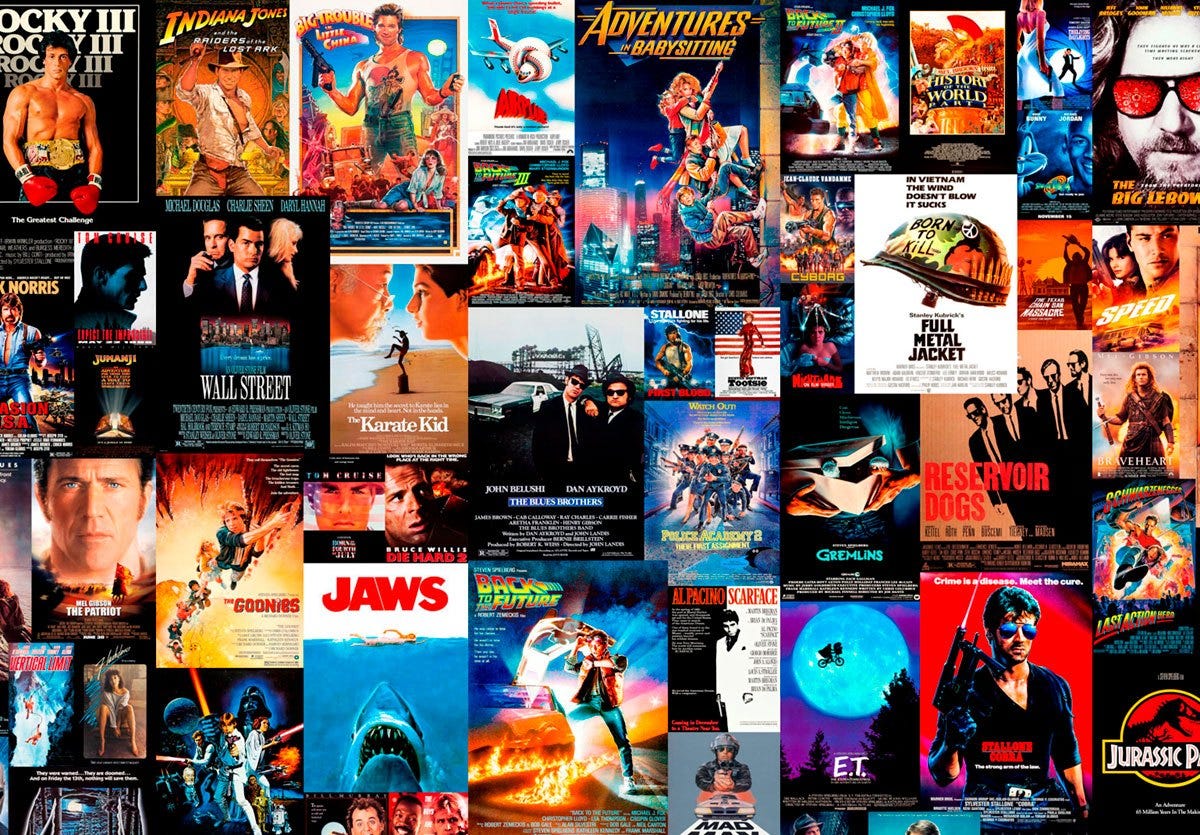
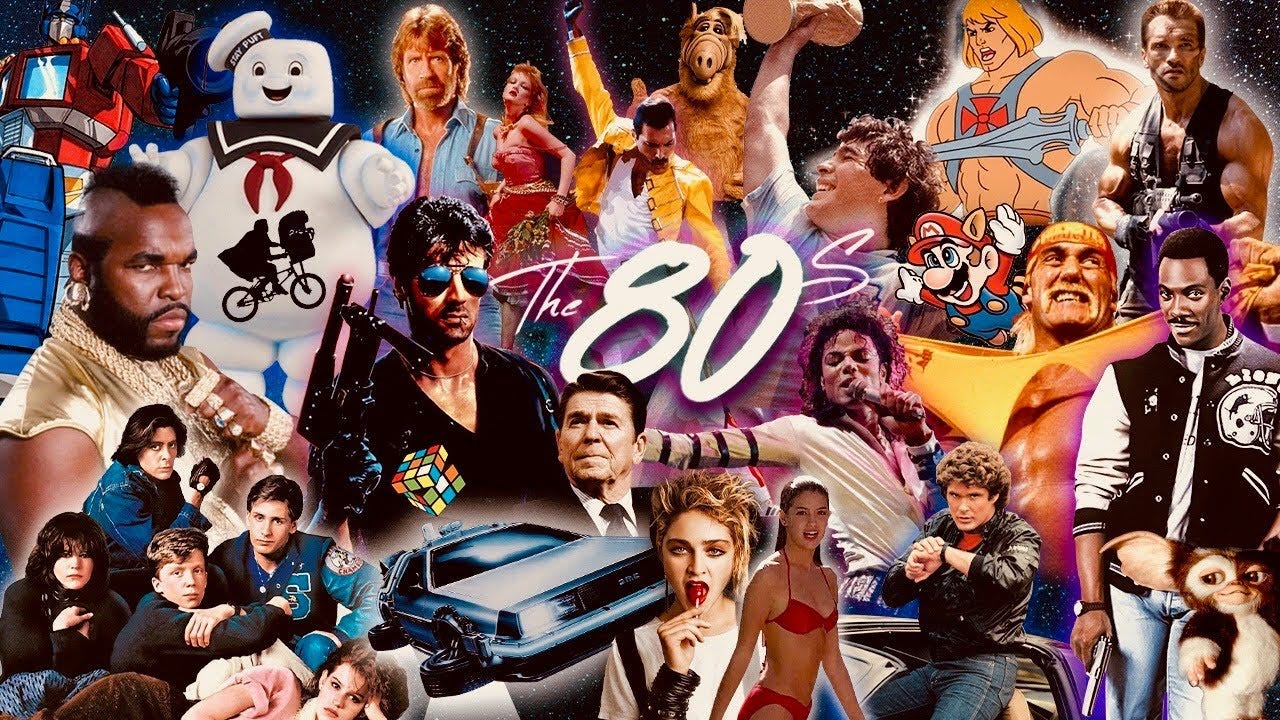
The 1980s became a gold rush of kid-friendly blockbuster templates:
Indiana Jones
Ghostbusters
Back to the Future
Teenage Mutant Ninja Turtles
Batman ’89
Each one spawned toys, cartoons, lunchboxes, Happy Meals.
Each one was designed from day one to be repeatable forever.
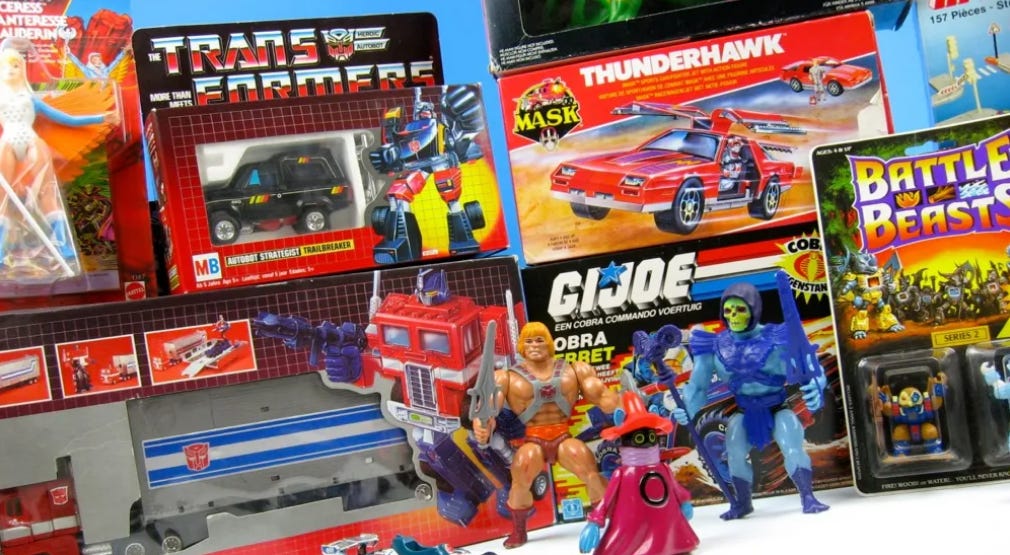
Then the 1990s doubled down:
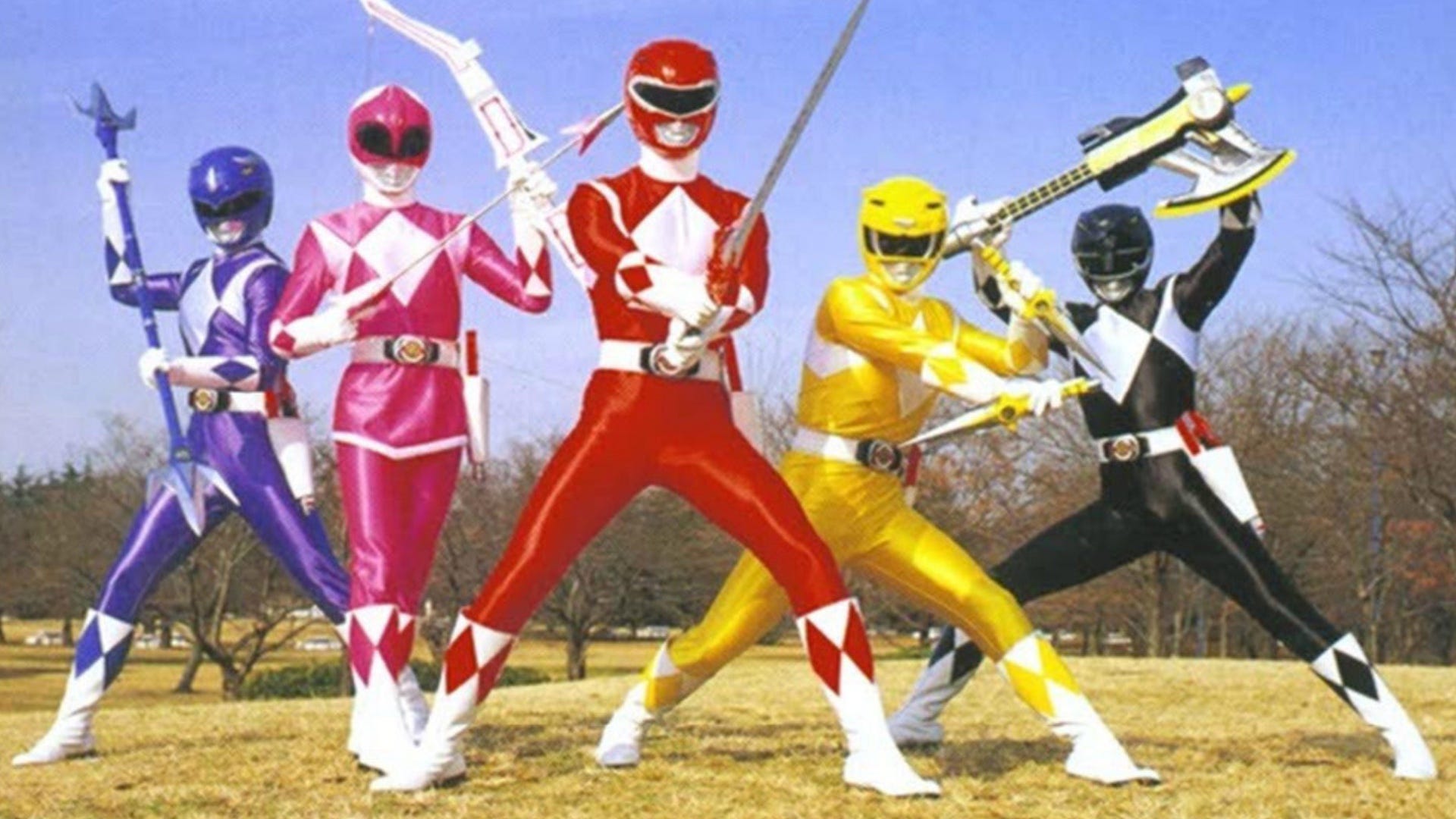
Pokémon, Power Rangers, Jurassic Park, The Lion King.
By the time Spider-Man swung into theaters in 2002, the blueprint was perfect: big opening weekend + global merchandising + built on childhood recognition = guaranteed billions.
2. The Crash That Killed Risk

2008 happened.
Banks collapsed. Studios panicked.
The new rule from every boardroom was simple:
“Never bet nine figures on something an executive’s kid hasn’t already heard of.”
Disney looked at the numbers and bought the safest assets on Earth were sitting in a warehouse in Burbank:
Marvel (bought 2009)
Pixar (2006)
Lucasfilm (2012)
Fox and its X-Men (2019)
Warner Bros realised Batman and Harry Potter printed money.
Universal clung to Jurassic Park and Fast & Furious.
Paramount leaned on Transformers and Star Trek.
Sony guarded Spider-Man like the One Ring.
Suddenly the entire industry was running on childhood recognition.
Original mid-budget movies? Gone.
Adult dramas? Streaming graveyard.
New myths? Too expensive.
Why gamble $200 million on something untested when you can spend $250 million on a brand people already love and make twice as much?
3. The Nostalgia Pipeline in 2025
Look at any given month now:
A new Star Wars series drops every 6–8 weeks—each one stuffed with cameos from characters you met in the 80s and 90s.
Marvel releases three films and four Disney+ shows a year, all required homework for the next film.
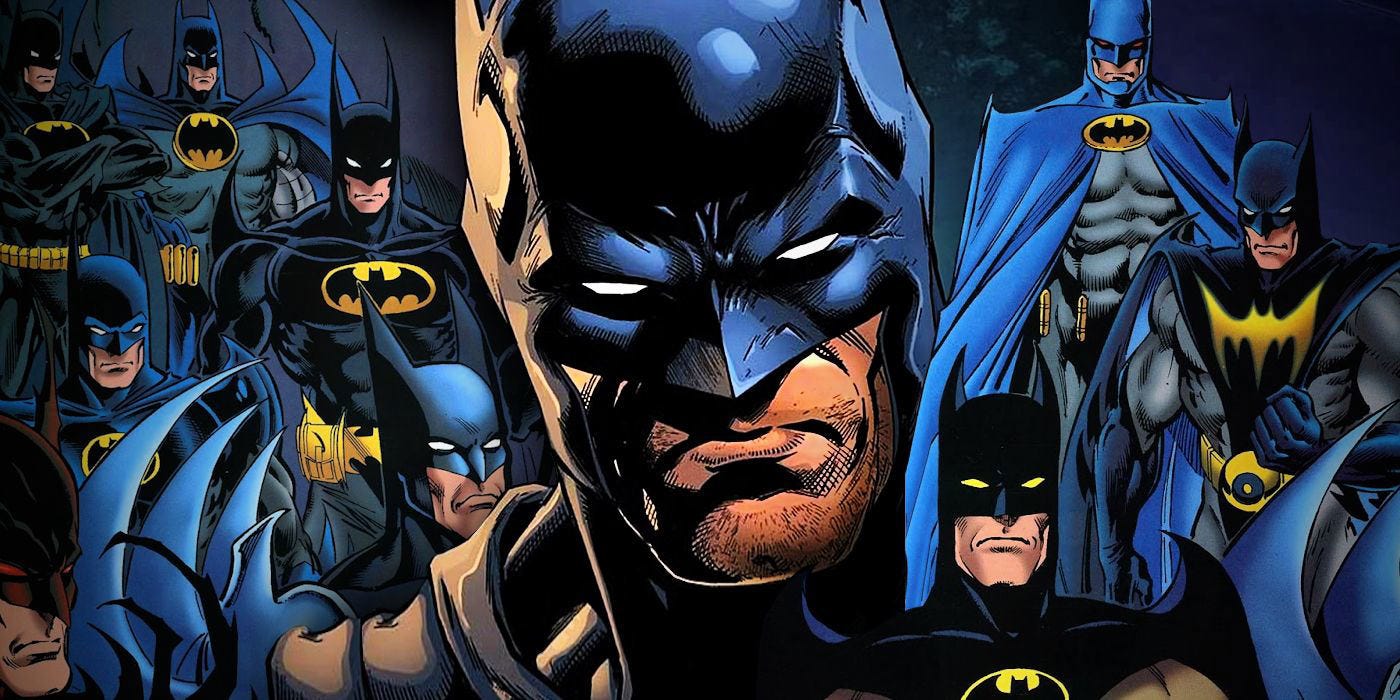
DC reboots Batman again—same Bat-time, same Bat-channel.
Ghostbusters, Top Gun, Blade Runner, Terminator, Matrix, Jurassic Park, Indiana Jones—all back, older, greyer, still selling the exact same emotional beat they sold in 1989.
Live-action remakes of Disney’s 90s animated classics arrive like clockwork.
Even Doctor Who, a show literally built on the idea of change, now spends half its episodes revisiting 2005–2010.
The marketing is identical:
“Remember how this made you feel when you were a kid?
Give us money and we’ll sell that feeling back to you in 4K.”
And it works. Every single time.
4. The 40-Year Window
Here’s the strangest part:
The nostalgia zone is incredibly narrow.
Corporate America has decided that only media roughly between 1977 and 2003 possesses emotional gold.
Anything made before 1977 is “old” and therefore scary to audiences.
Anything made after 2003 is “unproven” and therefore scary to investors.
Result?
Casablanca, Gone with the Wind, The Godfather, 2001: A Space Odyssey—classics, but not bankable enough for new multibillion-dollar cinematic universes.
Silent films, film noir, 1950s sci-fi, 1960s New Hollywood experiments? Cult curiosities at best.
Meanwhile, a third Ghostbusters sequel with the original cast in their seventies will get a $200 million budget and global marketing.
We have collectively agreed that human culture peaked between the releases of Star Wars and The Matrix, and everything must now be measured against that window.
5. The Creative Hostage Situation
Writers, directors, and artists feel it every day.
Pitch an original sci-fi epic today and the note comes back:
“Amazing—but can the ship look a little more like the Millennium Falcon?”
Try to sell a new superhero concept:
“Love the energy—any chance we can make him Spider-Man’s cousin?”
Suggest a fantasy series without dragons that breathe fire in the exact same shade as 1990s cartoons:
“Sorry, focus groups don’t recognise that silhouette.”
The highest honour a creator can now receive is to be hired to babysit someone else’s childhood.
Directing the next Star Wars or Marvel project is the new American Dream.
Inventing the next Star Wars is no longer on the table.
6. The Human Cost
We are raising entire generations who believe culture is a closed loop.
Kids today know the Imperial March before they know Beethoven.
They can identify the Bat-symbol before they can read.
Their first cinematic memories are cameos from grandparents’ favourite characters.
Meanwhile, the rest of human artistic history—thousands of years of stories, myths, paintings, music—sits untouched because it doesn’t come with pre-sold Happy Meal toys.
We are not just repeating the past.
We are letting six conglomerates sell us a shrink-wrapped version of our own childhoods on an endless subscription plan.
7. Breaking the Loop
It doesn’t have to stay this way.
The machine runs on our money and attention.
Every time we skip the remake and watch something made before 1977 or after 2020 without a Roman numeral in the title, the algorithm notices.
Every time we buy a ticket to an original film, back a weird indie on Kickstarter, or stream an album that isn’t built from 90s samples, we vote for a future that isn’t a rerun.
The 1980s and 1990s were great.
But they were forty years ago.
It’s time to let childhood graduate.
Because if we keep paying corporations to sell us the past in higher and higher resolution, we will never give the next generation a past worth remembering.
Thanks for sitting in the dark with me while we watched the same trailer for the twentieth time.
In the comments: what beloved franchise are you finally ready to let rest in peace—and what new story do you wish someone would take a chance on?
SARJ OUT