


Character is story. Design is character. Design is story.
The appeal of story is a journey through moral systems colliding against nature, conflict and our presumptions about everything. Characters are the vehicles through which we experience story. A character’s design is paramount in maximizing the effect of character and story, because design itself tells story.
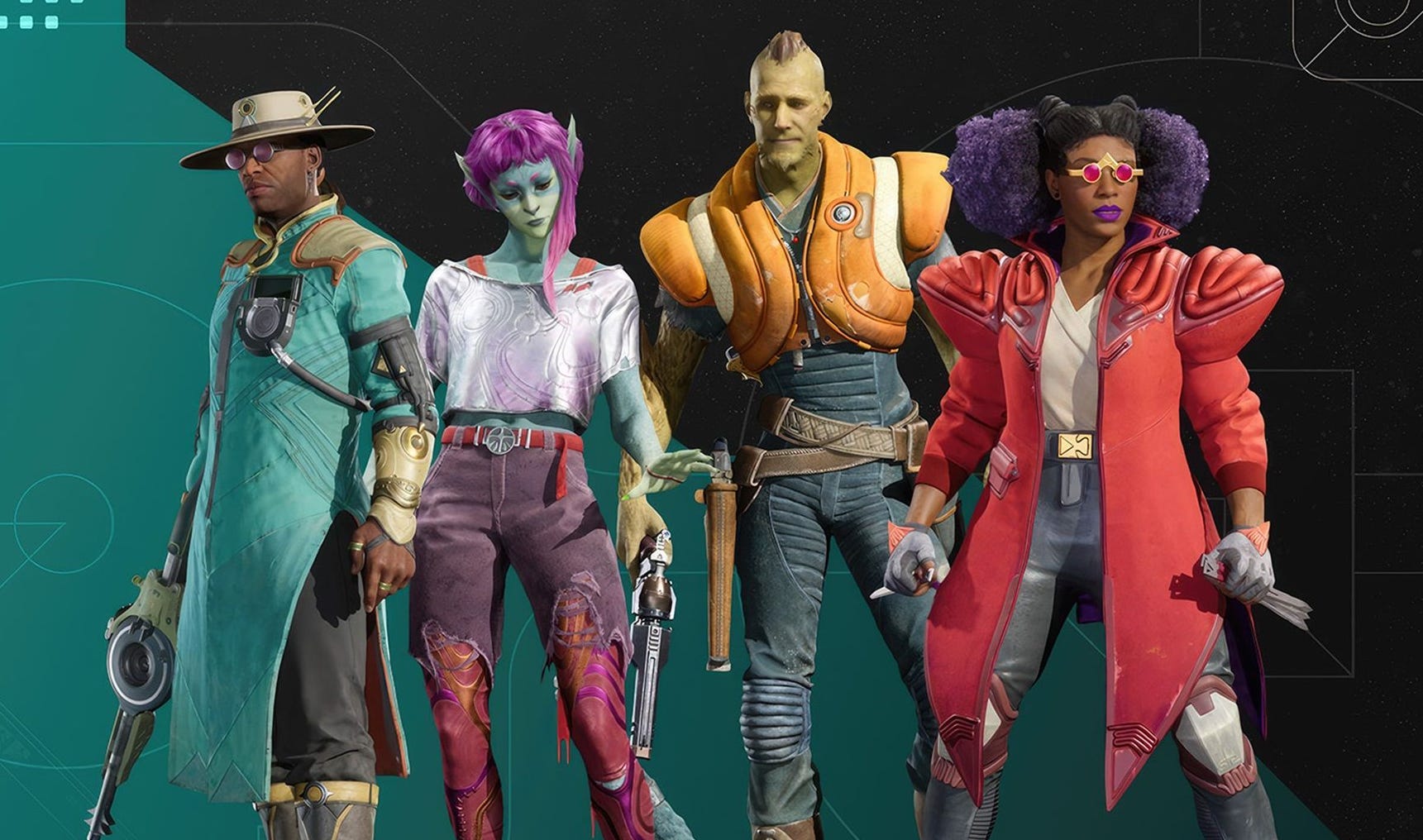
Failure in respecting the art of visual character design can often lead to failure in storytelling as they’re entwined. We’ve seen this especially in video games as of late where the failed $400m behemoth Concord has created an unfortunate new subgenre called Concord-likes. This pejorative label calls attention to characters with designs that don’t resonate with audiences for a variety of reasons. “Concordian” characters are stricken with a lack of distinguishing characteristics that renders them inert or ones that are made to be unappealing. They can be rendered in high-resolution and with staggering levels of detail but lacking soul and any particular inspiration.
Conversely, good/great design can produce iconic results. The same actor in different aesthetic setups changes the character. Think of Marlon Brando’s career: he played numerous iconic roles, from Vito Corleone to Jor-El to Colonel Kurtz.
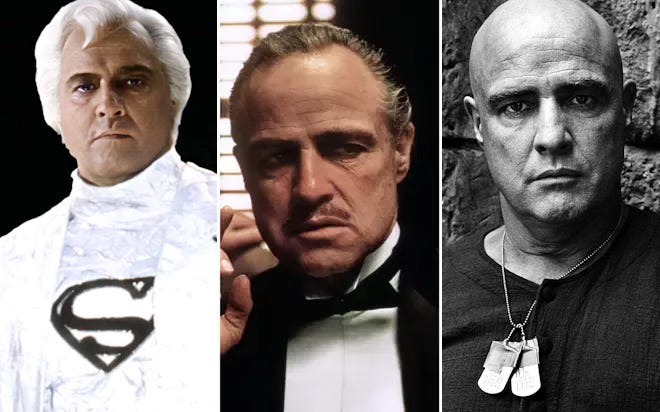
Each character was defined by a different set of morals and values which contributed to the stories in which they were involved. Who would Superman be without the guidance of Jor-El, who was designed to appear as a pure, god-like being.
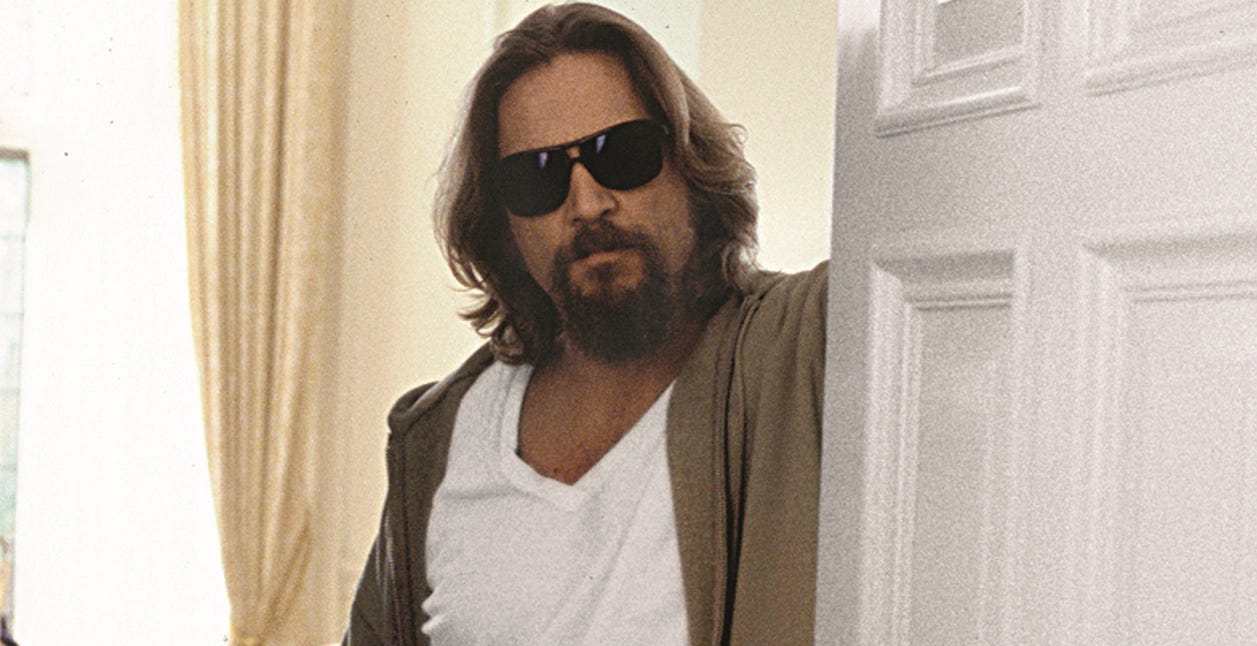
Jeff Bridges’ take on The Dude has also stood the test of time, and the character’s design is a huge part of that. Take one look at him and you know what he’s about. He’s a flighty lay-about that has a penchant for bowling and beverages. And he looks it.
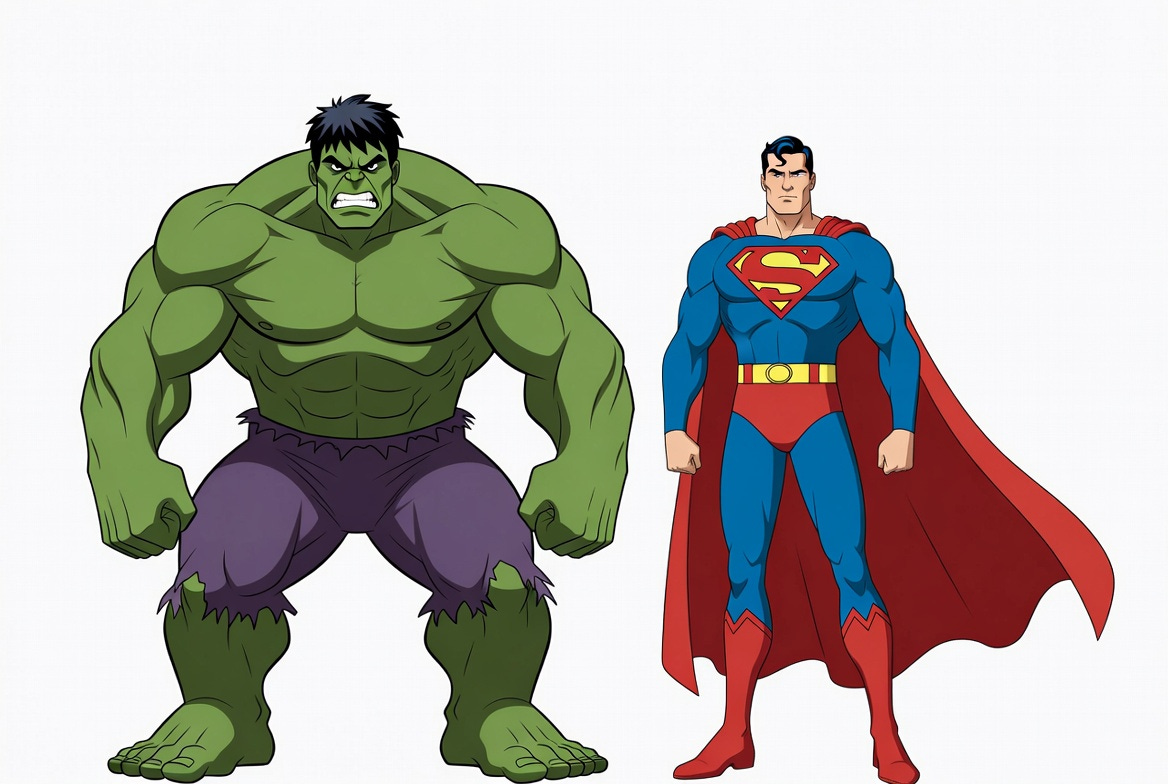
From John McClane to Dorothy Gale to Freddy Krueger to the Hulk, the Phantom, the Shadow and Superman, visual design helps immensely to summarize the conceit of a character at a glance.
THE CONSEQUENCES OF INDIRECT BLANDNESS
Video games are a visual, interactive medium. Video game characters are the best example of design as character. From Mario to Kratos to Master Chief to Lara Croft to Samus Aran to Princess Peach, visual composition helps to convey to the player the purpose of the character in action. No one looks at Master Chief and thinks he’s going to be involved in gardening. No one looks at Ryu from Street Fighter and expects him to engage in a walking simulator. And that’s the point: the success of a character is often how a design fulfills the catharsis provided by the gameplay feedback loop.
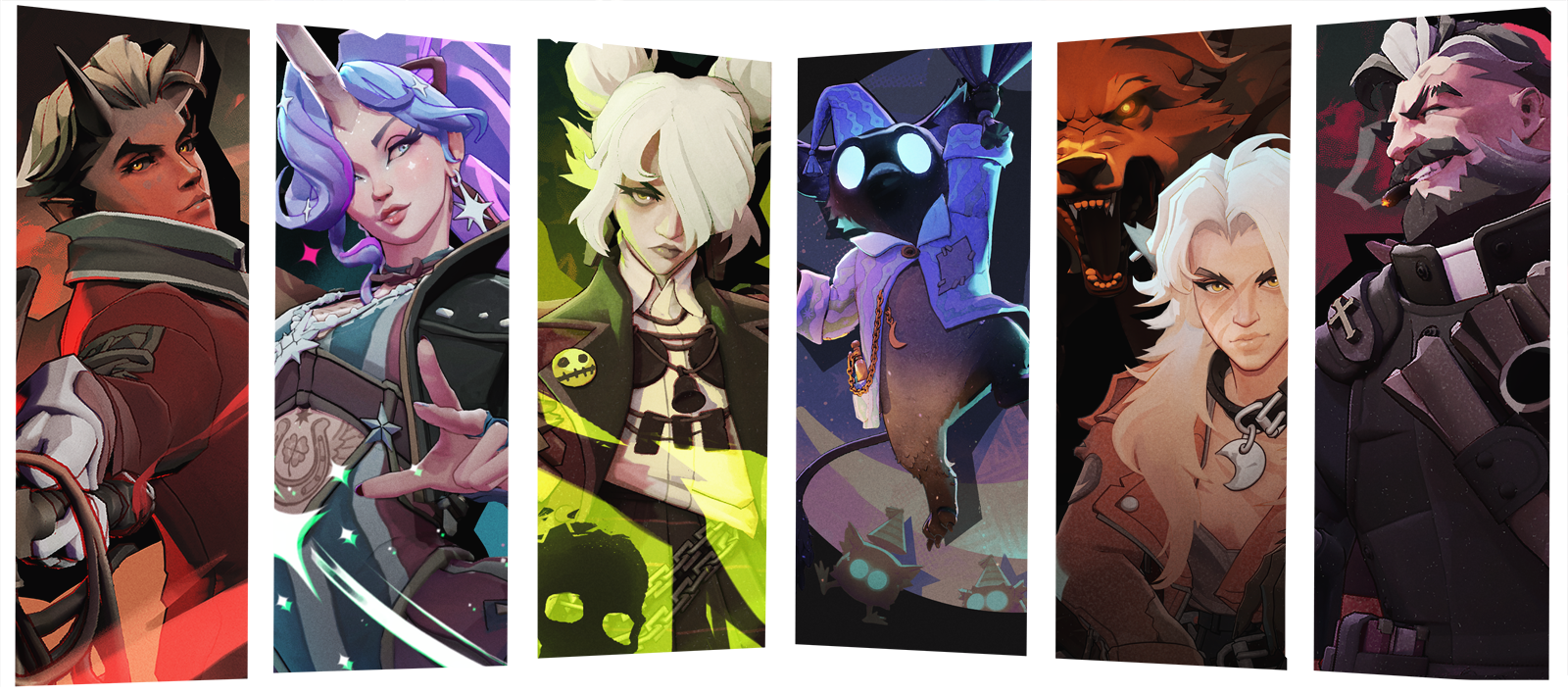
Let’s compare two recent games: Deadlock and Highguard. Deadlock is a massive online battle arena(MOBA) taking place in an alternate 1930s America where occult forces run rampant. You choose from a cast of eclectic characters to achieve favor with one of two earthbound deities, the Hidden King or the Archmother. Highguard is a first-person 5v5 shooter where two teams fight across fantastical realms to secure resources for their side.
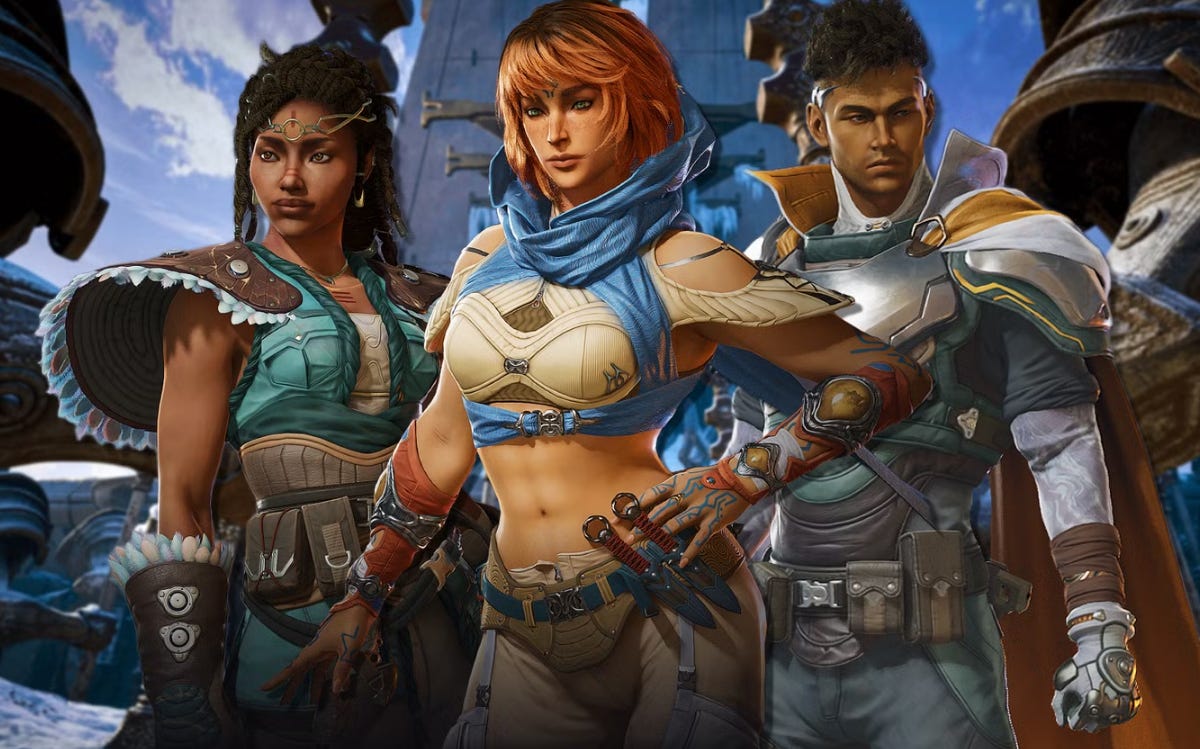
Deadlock has been in “early access” for almost two year whereas Highguard released recently. The results of the two games exist on flip sides of the same coin: Deadlock has been a massive success in early access, getting over 25k concurrent players on any given day. Highguard, on the other hand, started with nearly 100k concurrent players on day one, but that number plummeted quickly to low four-figure players. And while Deadlock is limited to invite-only players, Highguard is a free-to-play game. One of the reasons that Highguard elicits the ire of players is the perceived disjointed and stilted visual design which is a pastiche of vague fantasy and sci-fi tropes than anything concrete and inspired.
My son plays Deadlock and even though I have no interest in playing it, the visual design and language of the world is undeniably interesting. The catalog of 30s/noir/spiritualism artistry is a beautiful thing to see. One look at each character and their pasts, personalities and gameplay utility are obvious. There’s no ambiguity. In fast-paced shooter games where you see opposing team members in fleeting moments from a distance, vague is failure.
GRIME IS SUBLIME
Seemingly innocuous blandness can stand out as a unique identifier that exalts a character beyond their apparent mediocrity. In fact, intentional mediocrity itself can act as an amplifier of qualities that uplift a character into the stratosphere.
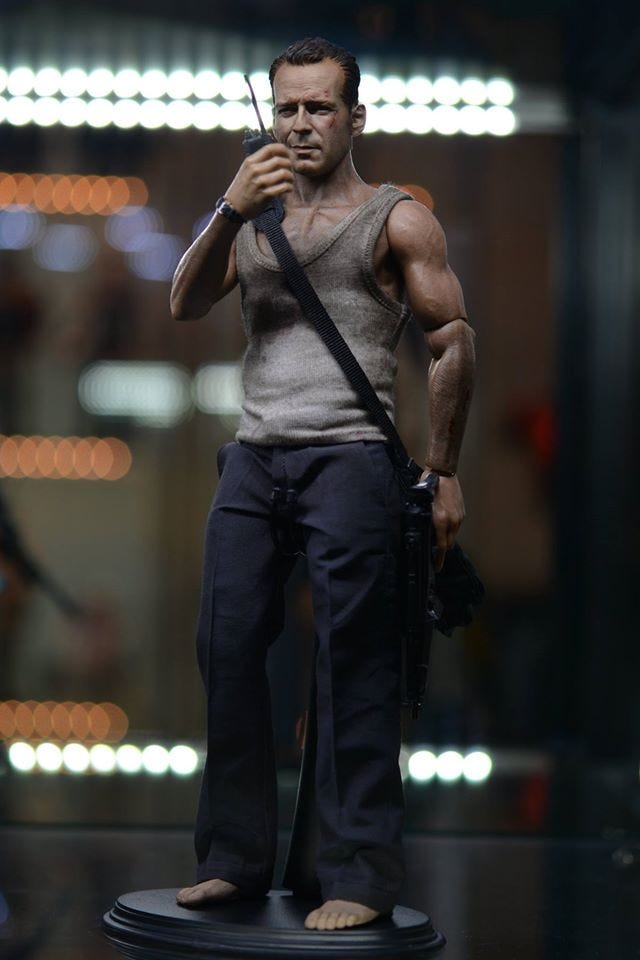
John McClane walks into the Nakatomi Plaza in 1988 and becomes an action hero. He’s an everyman outsider who ends up running around the building in a dirty wife beater, slacks, no shoes and a bag filled with weapons and detonators trying to stop a gang of international thieves. That look became iconic and determined the character’s importance. Why? If you see a normal man running around with no shoes, a dirty wife beater, covered in soot and lacerations and carrying an MP5, there’s a good chance he didn’t choose his circumstances; he’s just doing what he can to survive them. That’s story.
The best stories are when active protagonists are oppressed by circumstances beyond their control and—usually—they conquer their circumstances to win the day. Even Bruce Willis’ other character, Butch from Pulp Fiction, navigated a maze of eclectic and murderous weirdos to ride off on a stolen motorcycle—’Zed’s dead, baby.’—with a beautiful woman. He won.
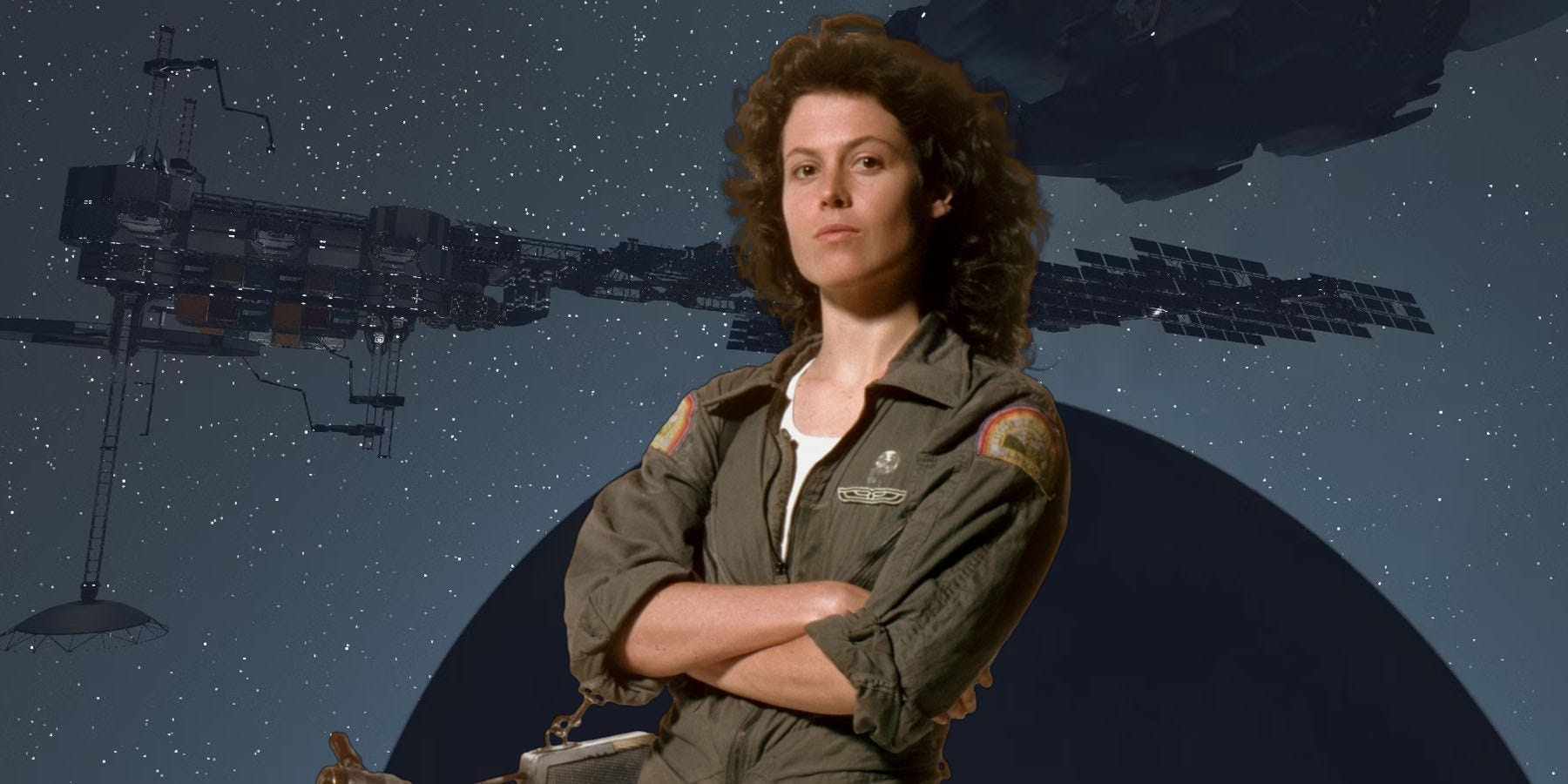
Ellen Ripley operates a spaceborne refinery in the distant future. She’s just another member of a crew of blue-collar Joes and Janes. Her overalls and unglamorous appearance lets you know she’s not an intergalactic space marine; she’s just another person. However, it’s this intentional mediocrity that elevates her as she faces off against a nigh-invincible xenomorph that has infiltrated her ship. Light years away from home, no one was coming to save her and the crew of the Nostromo. What was required in the vacuum of space was courage. We watched her find this courage and survive. That’s character, and her blending in as just another crew member made her notable and memorable almost five decades later.
MAKE CHARACTERS FIT
One of the things that I’ve been focused on in writing books is to establish diverse characters that feel right within their worlds. These characters are best suited to act as avatars for the reader experience within the unique circumstances of each setting and conflict. Elijah Crowe(left below)—complete with his history, hangups and shortcomings—doesn’t work as well in the year 2147 where Mad Malitia(right below) lives; Elijah is a Chicago boy born in 1900, a street tough struggling with faith. Malitia’s youthful trauma, and how she navigates these emotional obstacles, aren’t as effectively exploited in a dark fantasy world filled with goblins and harpies; she lives in the distant future. Cleave(center below) only matters where there’s a blade to be plunged into evil flesh. Character, conflict and setting. If these line up properly, you’ve got something.
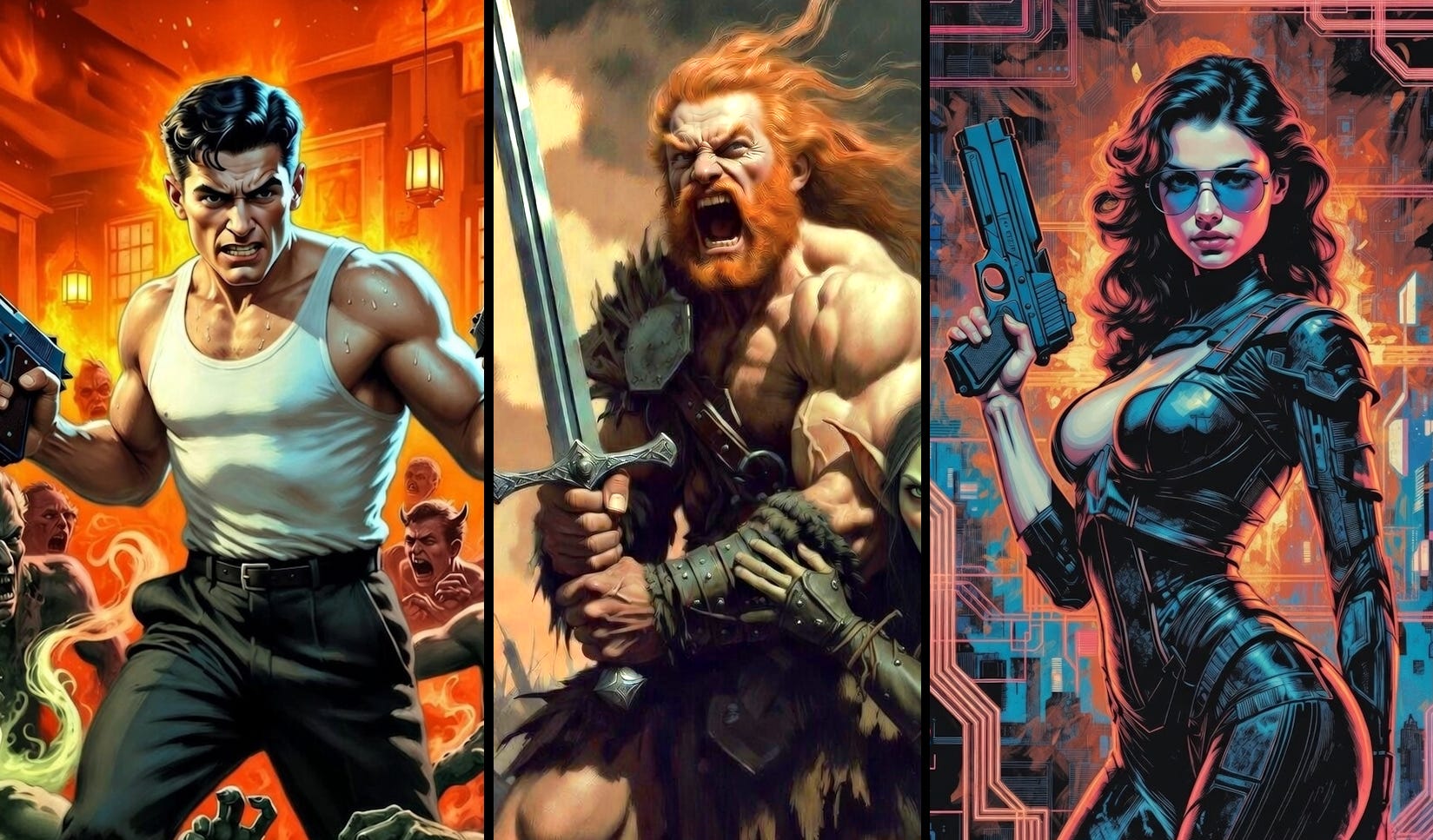
Speaking of characters, my horror/action book Hotel Erebus is releasing as an audiobook, softcover and hardcover this week on Amazon and likely other platforms. CLEAVE is launching on Kickstarter this week, as well. Mad Malitia is a work-in-progress(about 20% done, finished by mid-March).
CLEAVE Kickstarter Preview: https://www.kickstarter.com/projects/stratum/cleave-a-blood-thirsty-dark-fantasy-novella-by-sarj?ref=btsfxw&token=834a91f5
Stratum Press’s catalog is slowly growing with two completed books and a third on the way. The first game—a tabletop RPG—is coming in April. We should have a Shopify store launched by June when the first full-length novel—a supernatural romance—is going to Kickstarter along with another short novel and another tabletop game will be releasing.
The future is looking bright and we look forward to entertaining you.
SARJ OUT