


The miserable state of Western entertainment isn’t news to most of the people who will read this. Over the last 10-15 years, we’ve been in what I call a cultural Boötes Void—a vast morass where little of note has been produced. For every Top Gun: Maverick we get there are dozens of movies that exist to remind us of the various neuroses of the people involved in the productions. This Western malaise has infected not only movies but comics, animation, and even video games… but it wasn’t always this way.
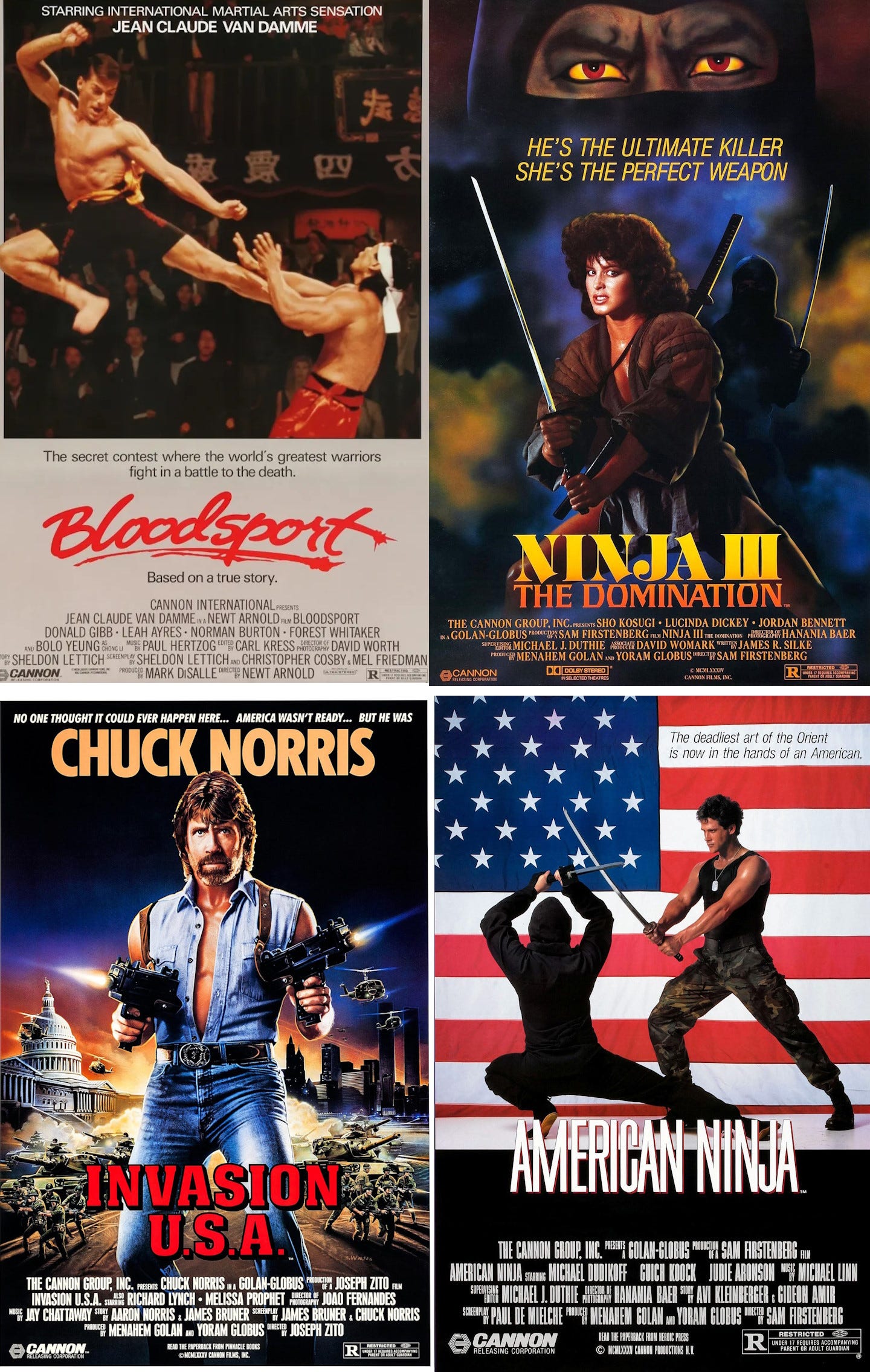
Remember fun? I do. I grew up in the 1980s and 90s and we were inundated with fun. Movies were fun. Music was fun. Sports were fun. Going out was fun. Cartoons, board games and card games were plentiful and made for their intended audiences. When you went to a convenience store, you had your choice of a Mortal Kombat cabinet, Street Fighter 2, Golden Axe and more. Spinner racks contained comics that made us come back month after month. At the cash register, there were boxes of collectible cards like Garbage Pail Kids, Batman or TMNT. We were spoiled.
It was the golden age of American media where the rest of the world had an insatiable thirst for American culture. We were overwhelmed with an almost perpetual feed of quality entertainment. There were hundreds of movies, albums, animated shows and sitcoms that created this comfy sphere of escapism that we reveled in as a people.
Optimism was high even into the early 2000s, although some have argued that September 11th, 2001 was the beginning of the fall of Western civilization. Frutiger Aero tech optimism permeated the culture with a bright, metallic utopianism. Humanity seemed to have finally broken through the doldrums of the cynicism of past generations.
I know it’s strange to brag about such a seemingly innocuous concept, but in the 80s and 90s, people OWNED things. Rental services existed but were far outmatched by an ownership economy. For example: you rented a hotel room, a car, a moving van, but you owned your video games, software, computer components, music, movies, etc. You bought stuff and kept it in your house and used it at your leisure and discretion. The service-dependency economy had yet to rear its ugly head.
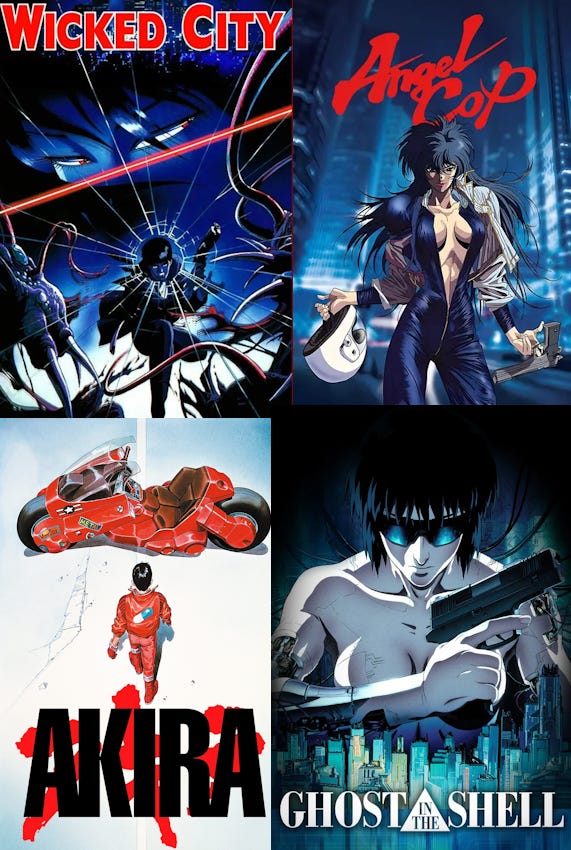
At this time, the Japanese were producing legendary media that helped define a generation, from manga and anime to video games. They even took properties like TMNT and created some of the best iterations of them. From Nintendo, Konami and Capcom to Studio Ghibli, the Japanese enthralled global audiences.
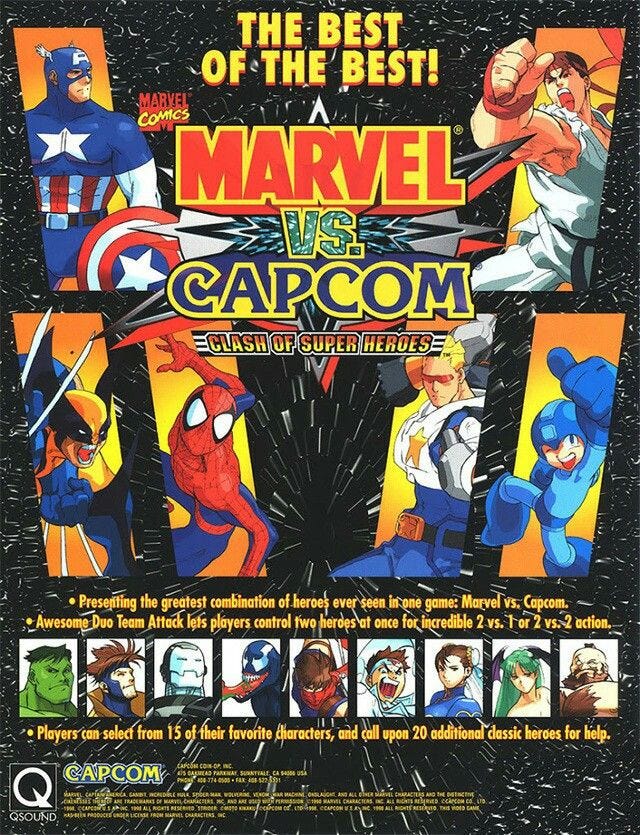
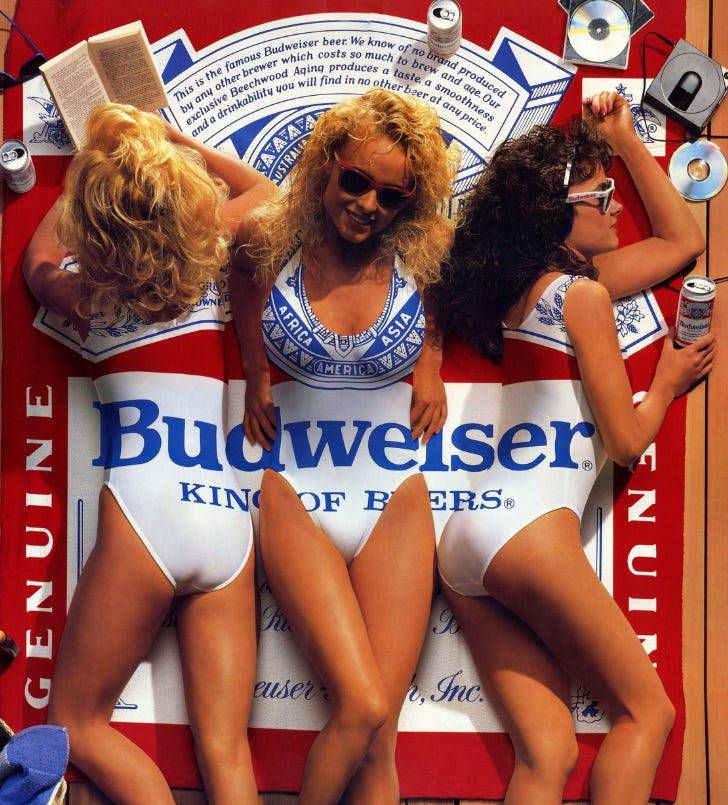
Even ads got in on the fun. We were inundated with an endless parade of guilt-free fun. Beer ads featured busty women in bikinis teasing ogling men; there were TV shows about professional men and women who were competent and lovable; we bought and owned our physical media rather than renting access to evolving streaming catalogues. Whatever our problems are, we would conquer and move beyond them. That was the mindset. But this didn’t last forever.
NOTHING GOOD LASTS FOREVER
Somewhere along the line, we adopted self-destructive ideas that posited that our present and future would be punishment for the sins of our pasts. Mainstream entertainment studios turned on their customers and fans, denigrating them in vitriolic campaigns fueled by ideological capture. Anything you loved has likely been captured by people who want to use it to broadcast their fringe political beliefs to a global market that has no interest.
In an attempt to brute force “diversity” into Western culture, corporate publishers have driven Americans like my wife to drop American entertainment altogether in favor of foreign media. My wife largely watches soap operas from South Korea and watches next to no modern media made in our country.
Director Noah Hawley recently complained that YouTube is stealing eyes from Hollywood. The vast majority of creators on the platform are fully-independent and viewer-subsidized as opposed to being majority corporate-backed. The cost to produce a YouTube video is negligible whereas Hollywood throws hundreds of millions of dollars at producing shows and movies that are entirely forgotten within days to weeks of release. The cost-to-value ratio has become completely untenable.
The mainstream, corporate-backed media is increasingly ruling itself out as an option for entertainment end-users. Instead, Hollywood and “AAA” gaming is becoming a strange, incestuous, business-hostile place where billions of dollars are wasted to entertain fringe activist sensibilities online. On the face of it, it’s an asinine and nonsensical endeavor, but the truth is more insidious: it’s being done on purpose.
In a normal, healthy economy, free peoples trade money, time and energy to create a loop of mutual dependency. A producer makes something, sets a price, puts it on the market and consumers decide in an unincorporated basis what goods and services succeed and to what extent.
For the last decade, institutions have worked in tandem with mostly left-wing special interest groups to influence entertainment and control what can/can’t be produced. Microsoft openly dictated that attractive women shouldn’t exist in video games. Grifting activists like Anita Sarkeesian were assigned cultural gatekeeper status to moderate the authorial visions of game developers. Notorious race-obsessed “consultancy firms” like Sweet Baby Inc. have encouraged games to change ethnicities of characters to meet arbitrary “representation” quotas to almost uniform commercial failure.

A GLOBAL RETURN TO COMMON SENSE
A return to sanity was inevitable, and the hammer of mass layoffs is proof that the cheap money era is tapering out. Over the last few years, consumers appeared to detect the strange artistic limitations that ran opposite to the consensus of what humans have always found interesting and entertaining. In film, books and gaming, the output of these social engineering campaigns fell on deaf ears with global audiences rejecting it. Asian game developers are growing to fill the gap left by America’s cultural capture. Gen Z is thirsting for Gen X culture, rejecting “modern audience” tropes in favor of traditional storytelling. The “Body Positivity” fraud disappeared overnight with the advent of Ozempic. People aren’t afraid to be honest about what they want anymore, and what they want is what they’ve always wanted. A return to traditionalism was inevitable.
I see a lot of people on YouTube and X who act as cultural commentators criticizing the state of American entertainment, and that’s great! I love channels like Film Threat and Nerdrotic which I watch quite often. However, I also think that it’s not enough to just criticize; we should be creating that which will supplant the culture that has been destroyed in the last twenty years and can’t be reconstituted. Unfortunately, the old heroes are dead and live on only in our nostalgia. To fill the gap left in their wake, new heroes must be forged by new voices.
MY NEWEST BOOK - MADE FOR YOU
I write novelizations for movies that only exist in my mind. I’m not the only writer at Stratum Press. My business partner, JP, is writing his own novel, Redneck Wizard, which will be a joy to watch him develop and write over the next few months. The way he described the concept, it feels like a combination of Harry Potter meets The Last Starfighter. I told him it sounded like Harry Potter if written and directed by 80s and 90s legend, John Hughes: wholesome, exciting and fun. The one thing you can depend on from Stratum Press is just that: fun.
My newest book, Necropolice: Bloodstorm, is now on Kickstarter and will be funding for two more weeks, concluding the campaign on Saturday, August 1st. Take a look!
