RISING IN THE EAST
Picture firing up a game where the lead slashes through hordes of mutants in skin-tight armor that hugs every curve, her design screaming unapologetic allure while the combat demands pixel-perfect dodges and brutal counters. No hand-wringing over “objectification,” no DEI consultants neutering the vibe—just pure, pulse-pounding action tailored for guys who crave heroism, eye candy, and zero lectures. That’s the reality from Asian developers right now, as Japan, Korea, and China crank out hits that serve male audiences without batting an eye. Meanwhile, Western studios drown in political correctness so saturated it’s practically a drowning hazard, churning out desexualized slop that alienates half their playerbase. It’s a tale of two industries: one thriving on fun and fantasy, the other rotting from the inside.
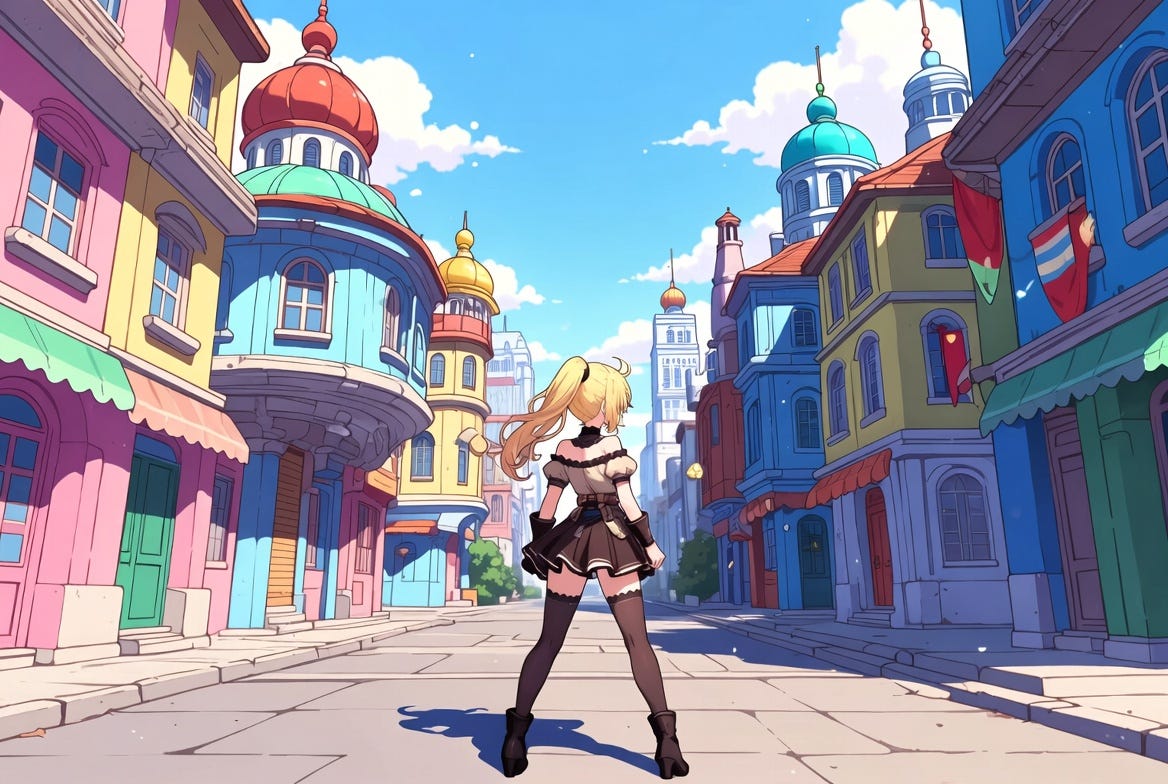
Take Stellar Blade, the 2024 PS5 powerhouse from Korean outfit Shift Up. Eve, the protagonist, is a sleek android warrior with an aggressively athletic build—curves that turn heads, outfits that leave little to the imagination, and animations that celebrate her form during every fluid combo. Launch previews sparked a firestorm from Western journalists: “regressive,” “sexist,” a “blatant example of male gaze pandering.” Outlets like The Mary Sue dissected her as a threat to progress, while activists petitioned for redesigns. But sales? Over 3 million copies sold by mid-2025, outselling many AAA flops, with PC launch shattering records despite the hate. X lit up with mods amplifying her sexiness—fishnet bodysuits, tattoos, pregnant variants—racking thousands of likes from fans who get it: Eve’s appeal is the hook, but the parry-riposte system and boss rushes keep ‘em coming back. Shift Up didn’t flinch; they doubled down, proving that in a market bloated with “relatable” baggy-clothed heroines, sexy sells—and satisfies.
Japan’s been the vanguard for decades, mastering the blend of power fantasy and feminine allure without Western guilt. Yoko Taro’s Nier: Automata (2017) sold over 8 million copies, propelled by 2B: a blindfolded android in a high-slit gothic dress, high heels clicking through apocalyptic ruins as she wields katanas and pod drones. Director Taro openly admitted the fanservice—”I just really like girls”—with panty shots and jiggle physics integral to her design.
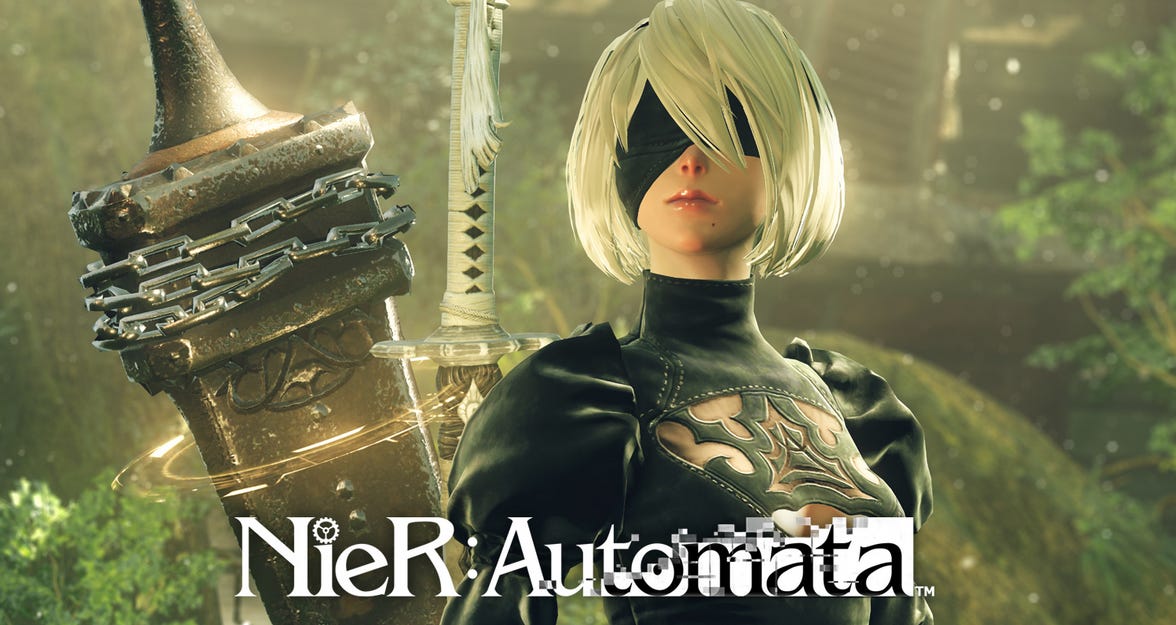
Critics whined about “over-sexualization,” but men ate it up: 2B’s stoic lethality masking vulnerability mirrors classic archetypes, her outfits a deliberate tease amid philosophical existentialism. It’s not shallow; it’s layered escapism where beauty enhances the tragedy. PlatinumGames’ Bayonetta series echoes this: the titular witch summons demons with hair-whips, strutting in gun-heeled dominatrix gear that celebrates her bombshell physique. No apologies, just stylish combos and over-the-top spectacle that’s spawned cosplay empires.
Then there’s FromSoftware’s Soulsborne juggernauts—Dark Souls, Bloodborne, Elden Ring—punishing action-RPGs that embody male perseverance. These aren’t “niche”; Elden Ring alone topped 25 million sales, drawing guys into vast, unforgiving worlds where you die endlessly to colossal bosses, only to master patterns and triumph. The appeal? Pure game theory: build optimization, risk-reward exploration, Tarnished rising from ash to god-slayer. Female characters like Malenia (blade-armed demigod) or Lady Maria (blood-soaked hunter) pack allure without pandering—sexy in ferocity, not fragility. Hidetaka Miyazaki crafts for challenge addicts, ignoring “accessibility” mandates that water down Western titles.
CHINA’S FIRST FORAY
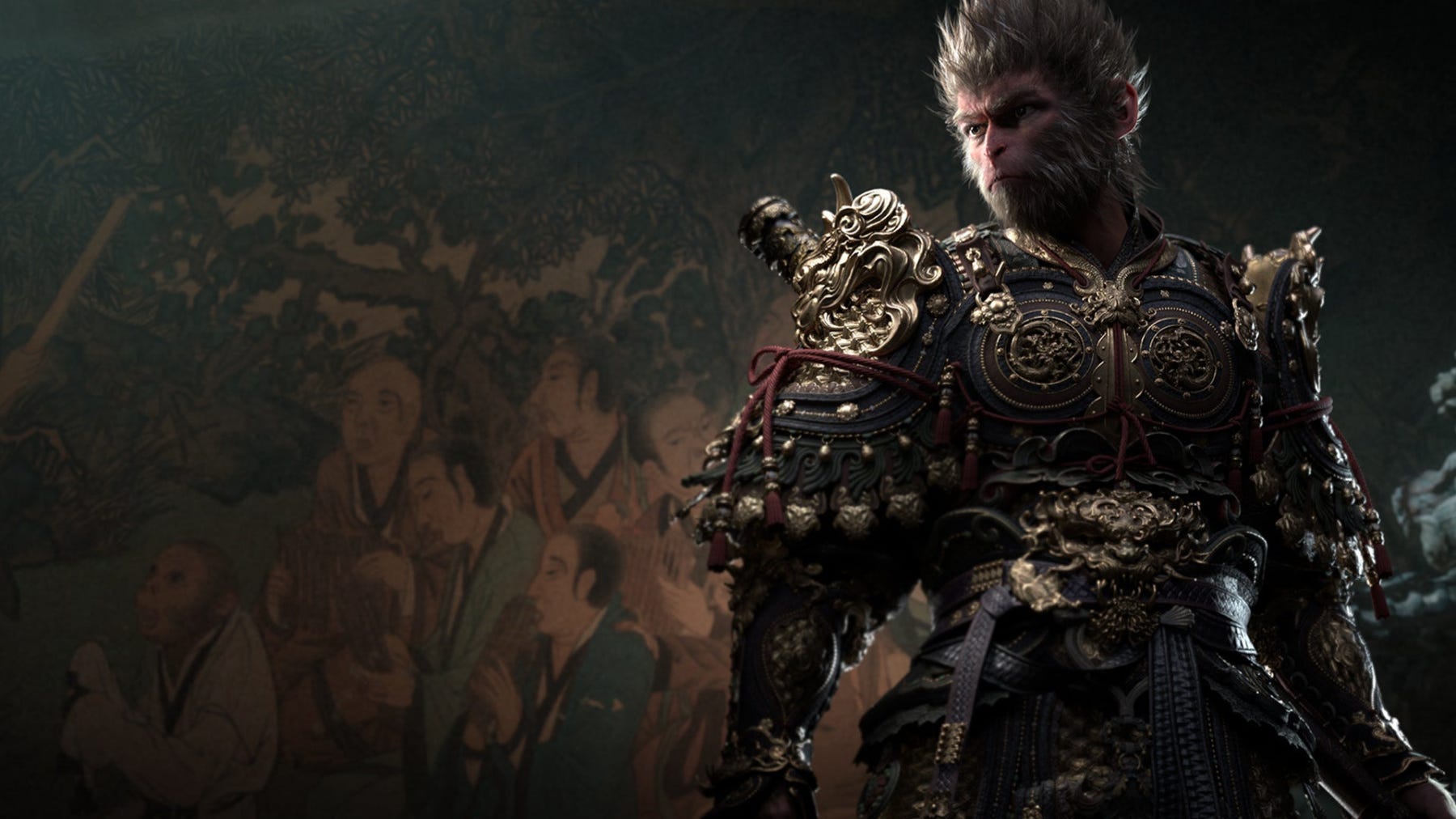
China’s entering the fray with unbridled ambition. Game Science’s Black Myth: Wukong (2024) smashed Steam records as the Monkey King Destined One, a shape-shifting brawler rooted in Journey to the West mythology. Over 20 million players at peak, it revels in power fantasy: acrobatic staff spins dismantling yaksha hordes, transformations into mythical beasts, no hand-holding tutorials. Devs enforced “no politics” for streamers, dodging Western DEI drama amid controversy over localization gripes—yet it soared, proving Chinese studios prioritize spectacle over sermons. Gacha giants like miHoYo’s Genshin Impact and Zenless Zone Zero layer waifu collectors atop action, with hyper-detailed outfits and personalities that hook male spenders globally.
EAST VS WEST
Why the disparity? Asia’s cultures sidestep the West’s PC saturation. Japanese devs chase “kakkoii” (cool factor)—stylish heroes, jiggle physics, rivalry-driven plots—treating male gaze as standard, not scandal. Korean teams like Shift Up mirror K-pop gloss: flawless visuals, aspirational beauty. Chinese outfits leverage mythology for epic stakes, unburdened by pronoun patrols. Western studios? Crippled by “modern audience” mandates—baggy tomboys, virtue-signaling narratives, layoffs galore as flops like Concord tank while Asian hits hand out bonuses. It’s the same rot: desexualizing women to appease activists, yielding sterile products that bomb.

The male appeal is primal: power through mastery (Souls bosses), heroism amid doom (Eve purging Naytiba), beauty as reward (2B’s elegance). These games indulge competition, protection, conquest—without the guilt trip. X buzzes with Eve mods and 2B art, fans reveling in what West denies. Asia gets it: men want aspirational fantasies, not lectures.
This isn’t coincidence; it’s market savvy. While Ubisoft hemorrhages talent on “inclusive” failures, Asian devs rake millions by serving core demos unfiltered. The future? Indies and Asia leading revival—Stellar Blade sequel incoming, FromSoft’s next shadow drop, Chinese myths scaling up.
For subcultures desperate for unfiltered edge, Asian games emerge as the bold cure to the West’s creeping stagnation. Icons of daring, vibrant realms won’t endure neglect forever—champion them, uncover their depths, and spark the shift that gaming desperately needs.
SARJ OUT